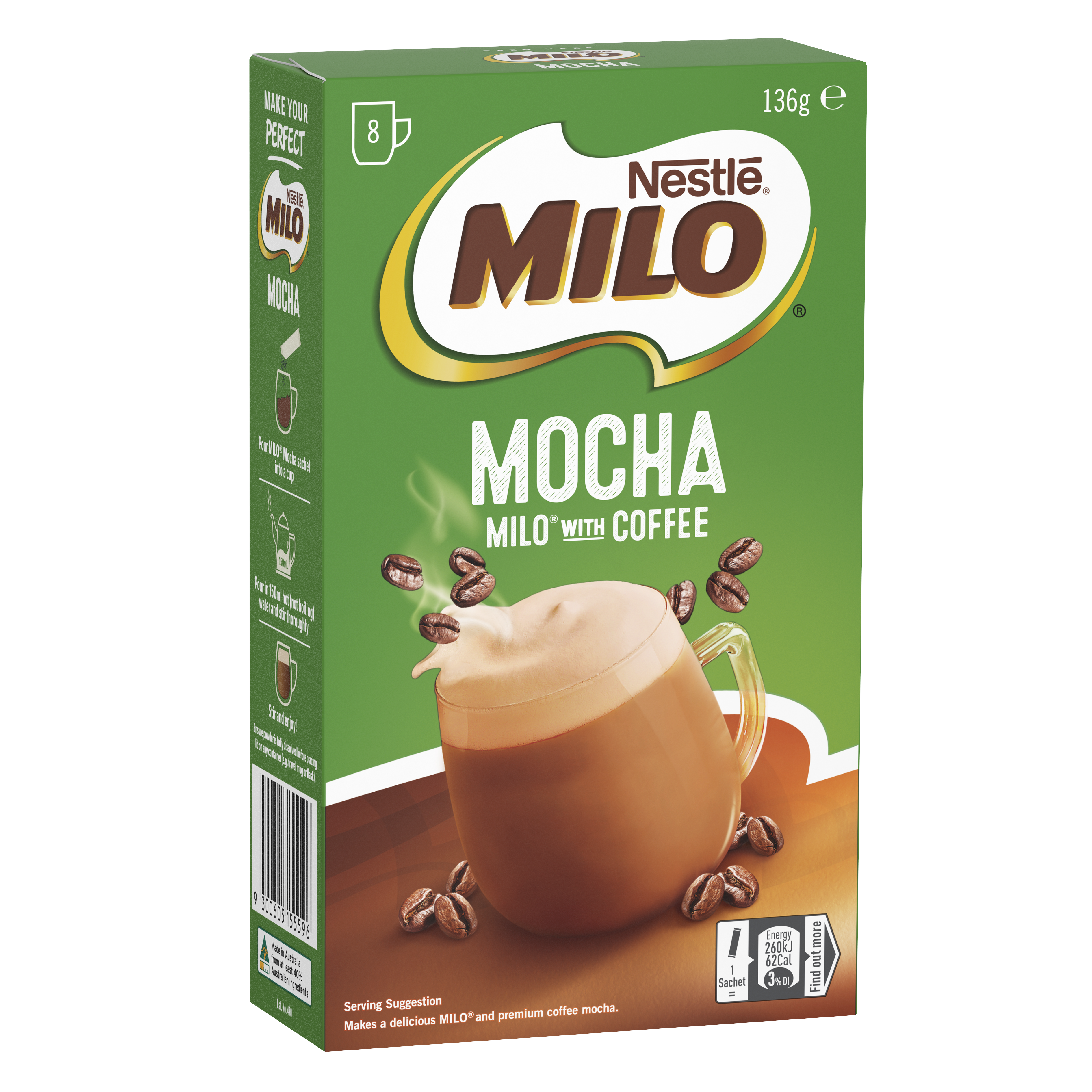
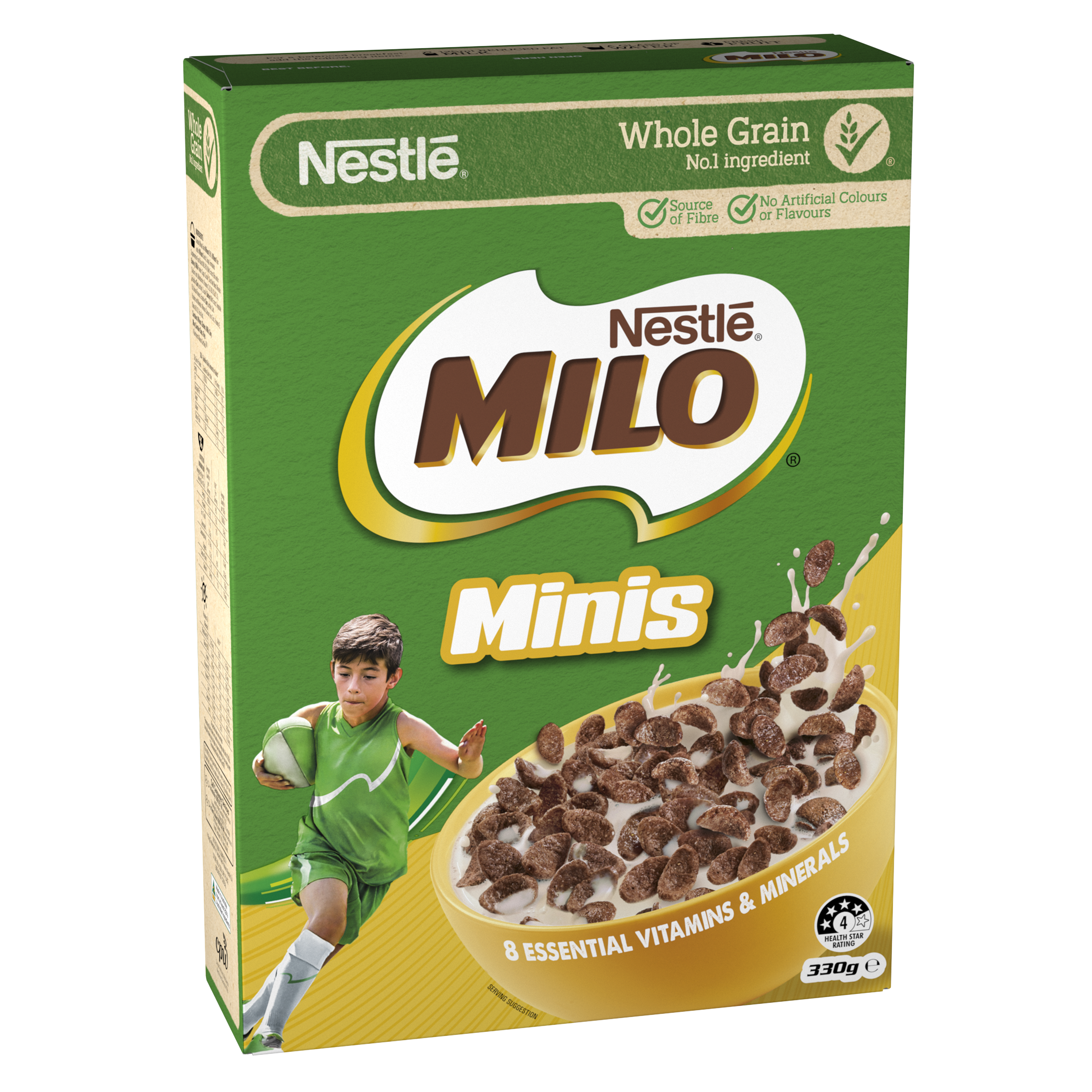
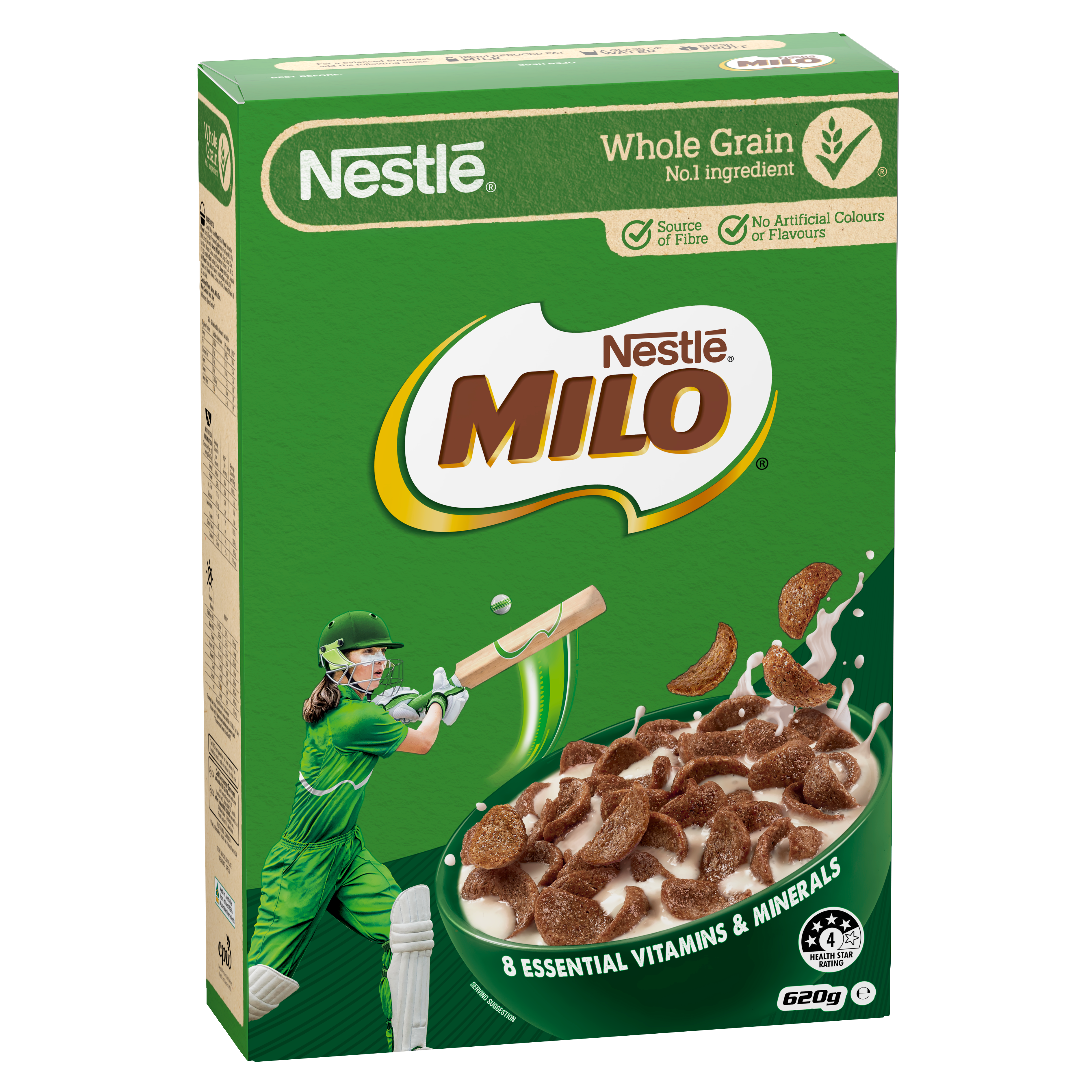
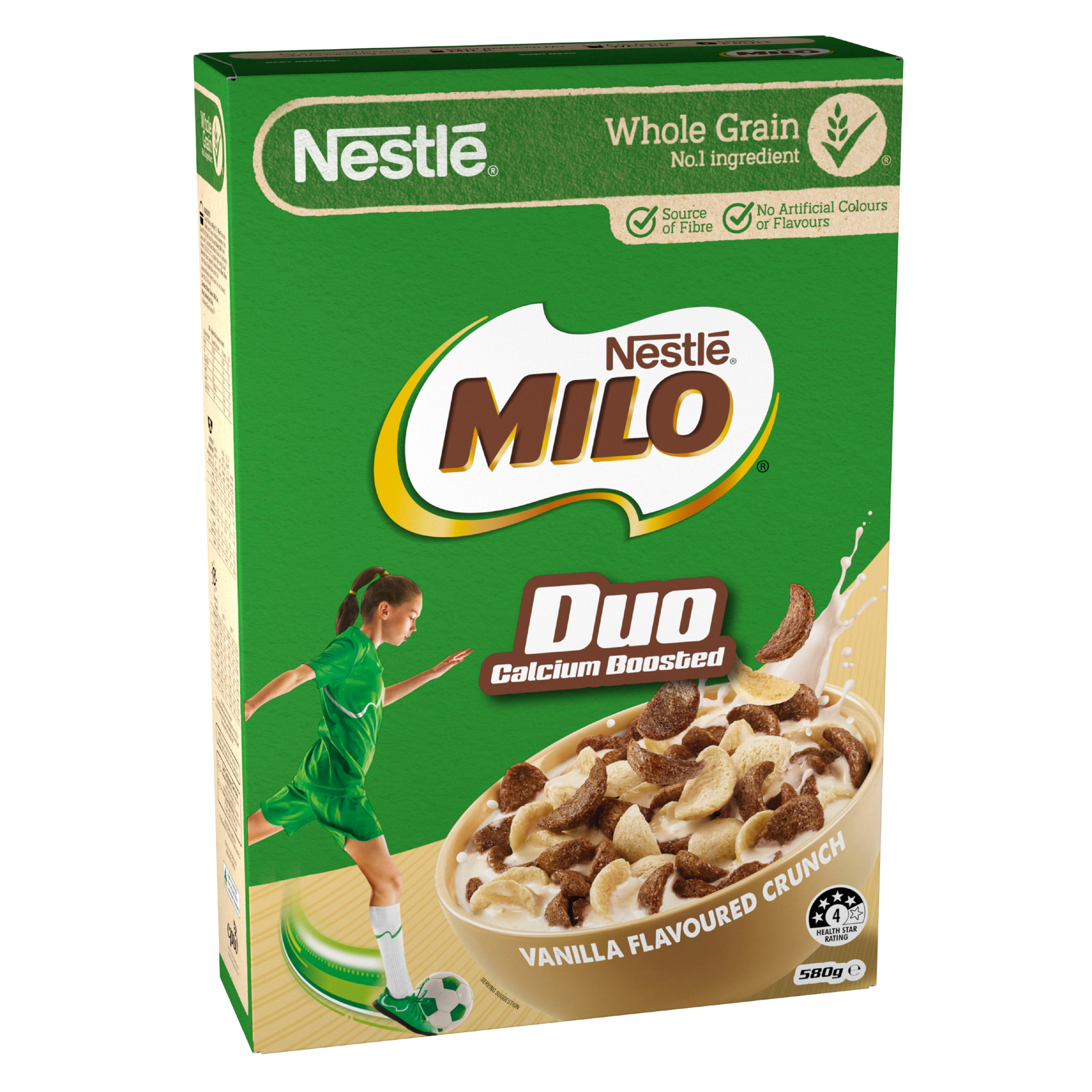
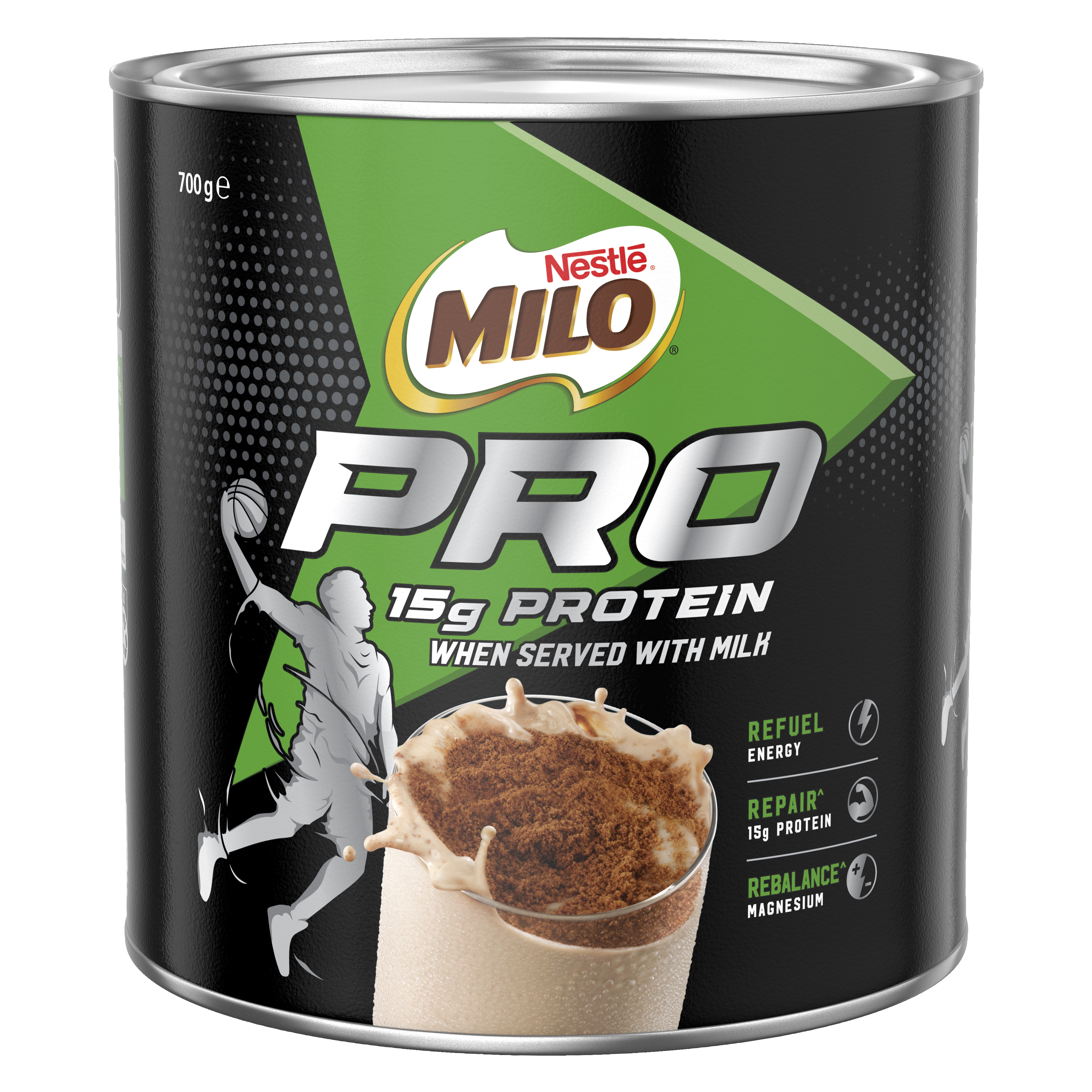
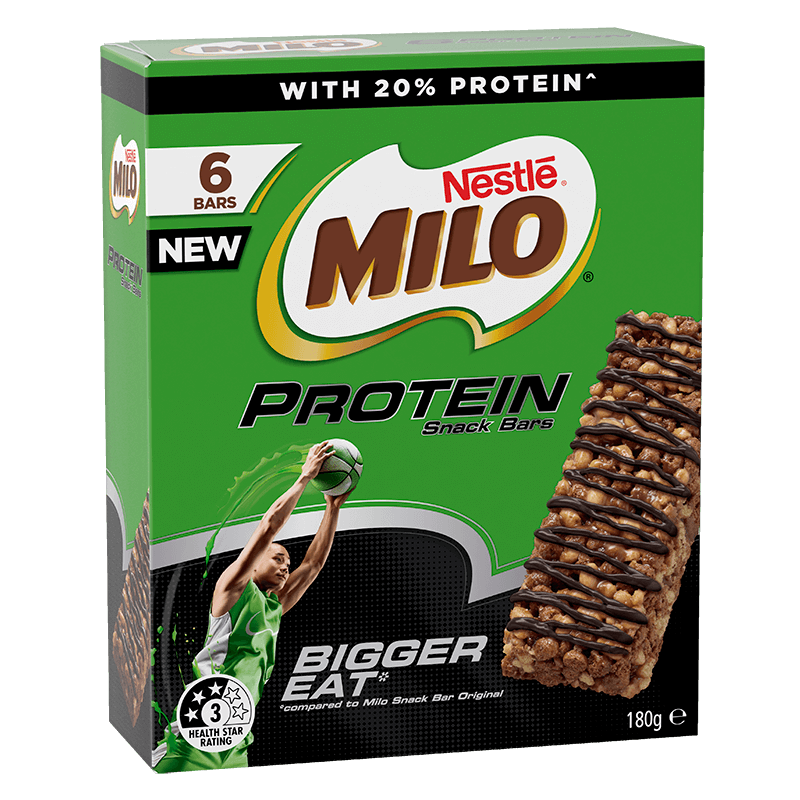
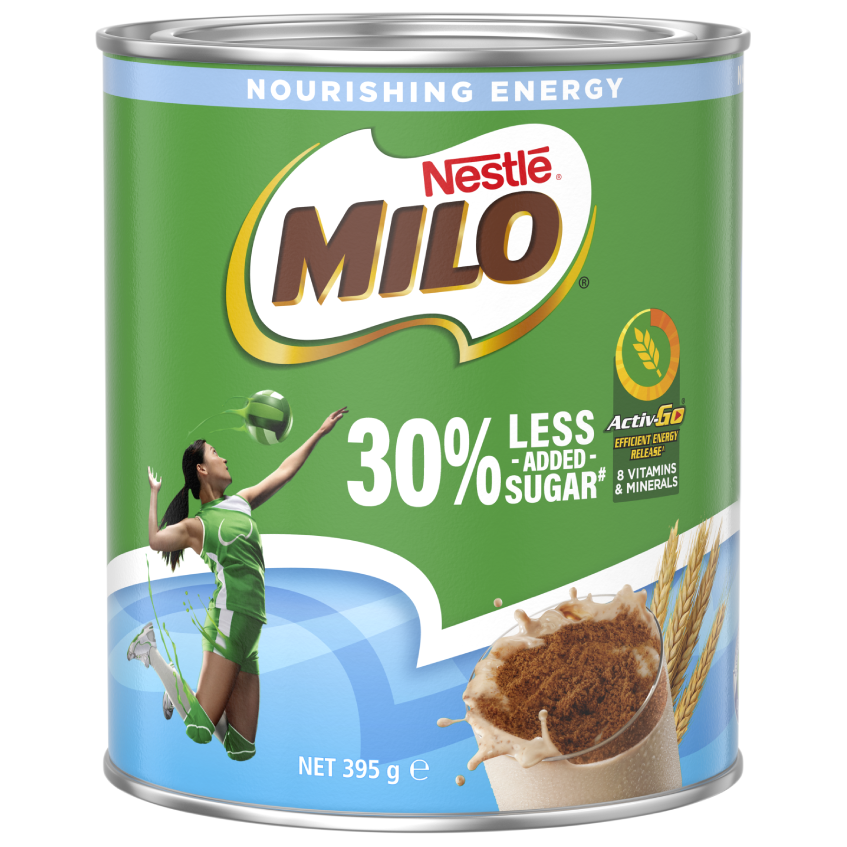
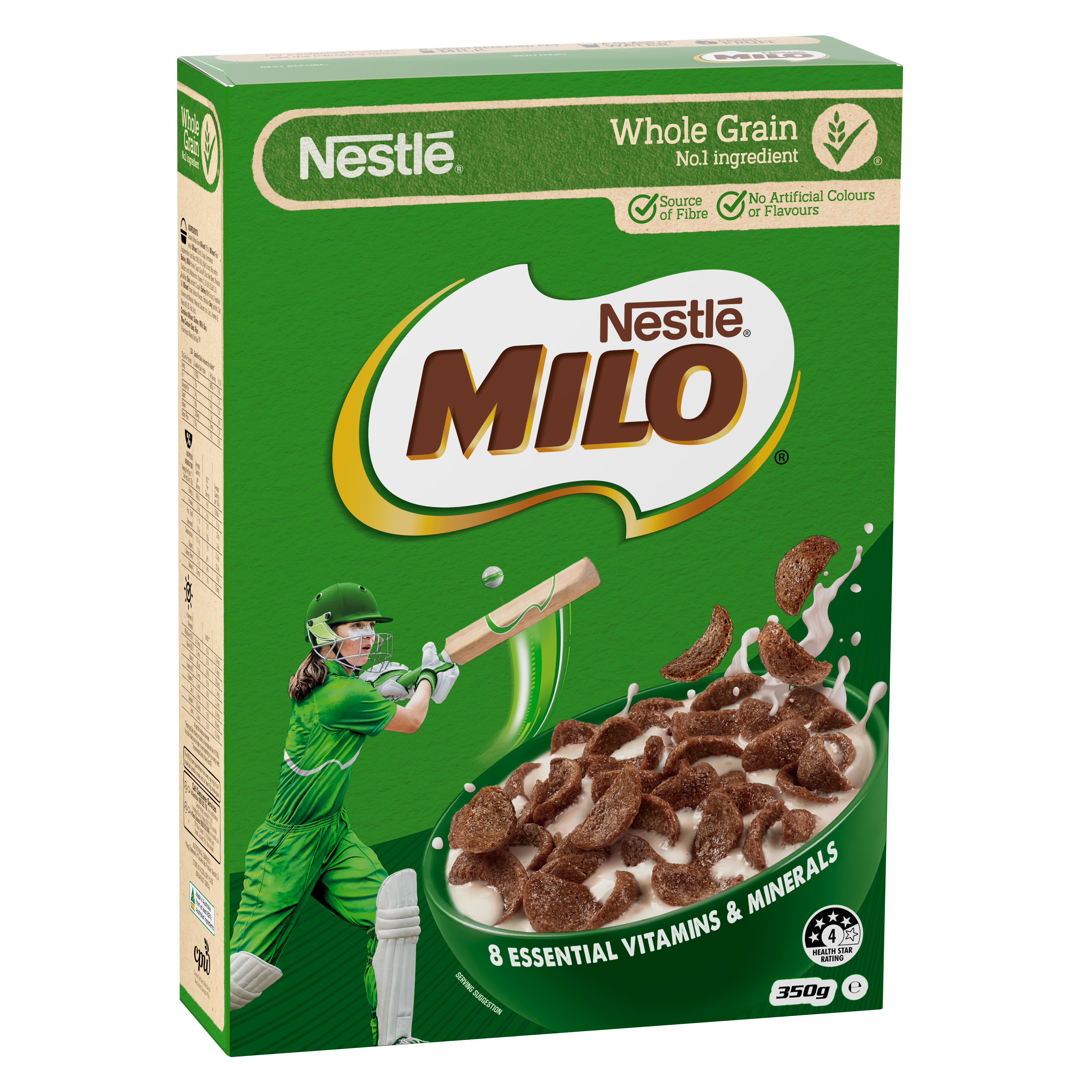
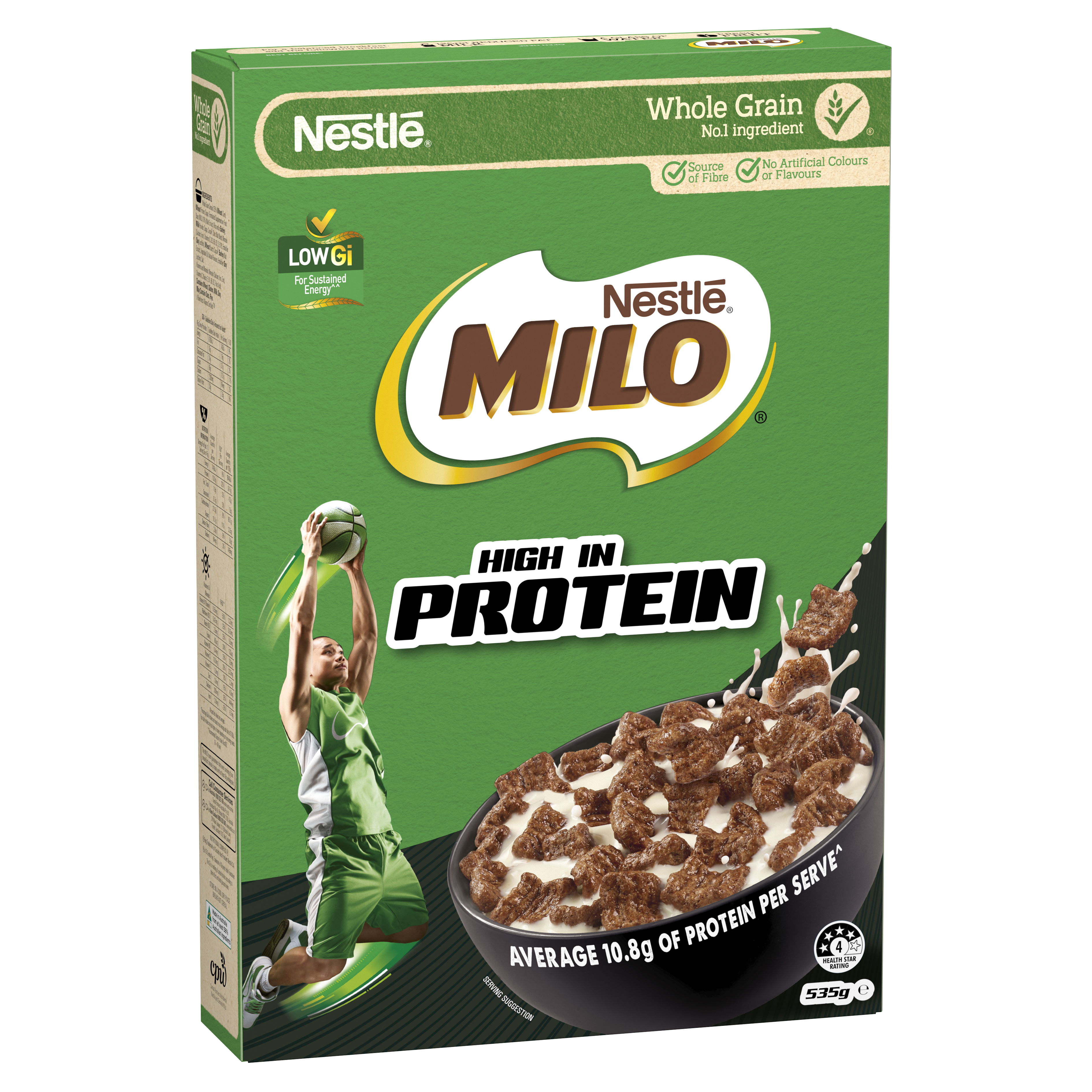
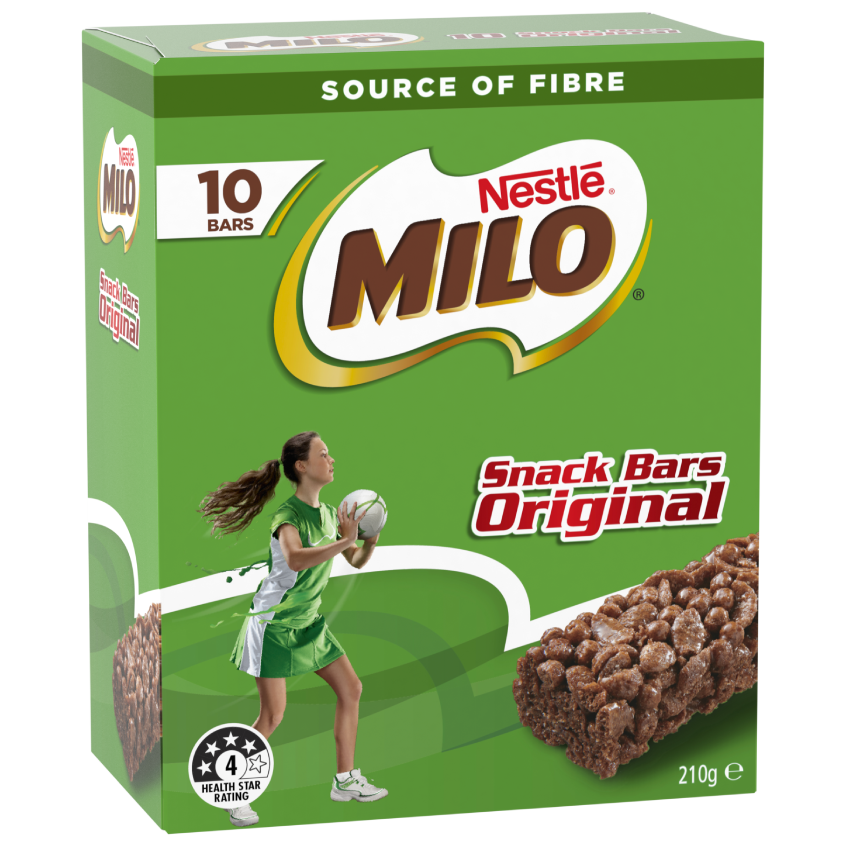
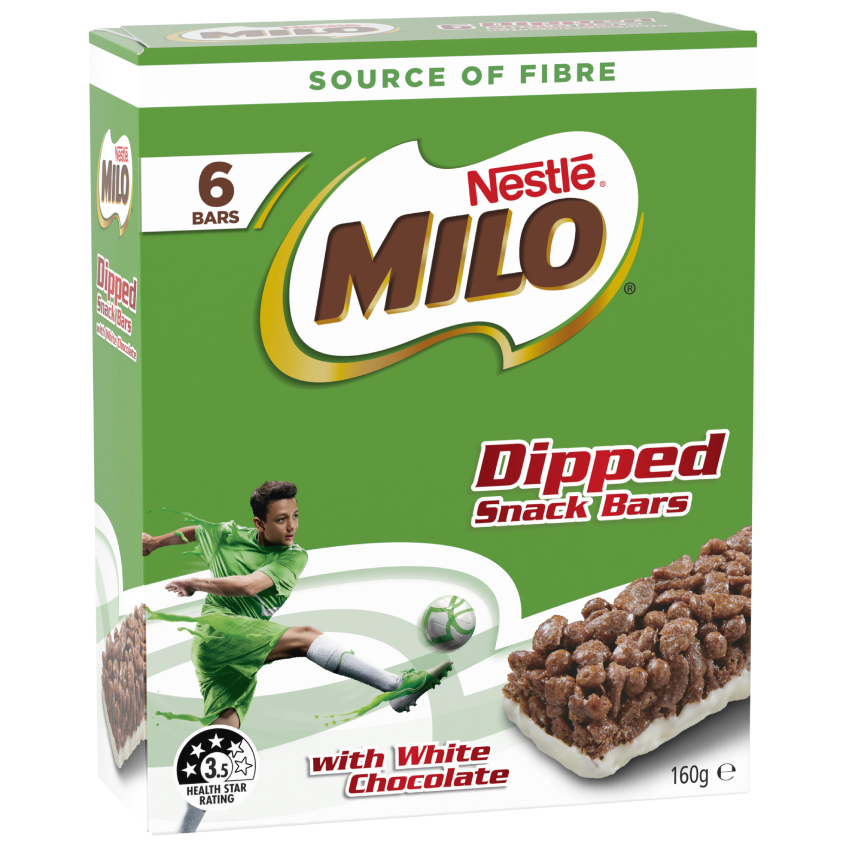
MILO
The Nutritious drink kids love
Did you know that MILO comes from humble Aussie roots? MILO was developed in the 1930s during the depression as a direct response to the fact that children were not receiving enough nutrients from their daily diet. Thomas Mayne, a Nestlé Engineer, created the nutritious and delicious beverage using local milk knowledge and Swiss cocoa expertise. He named the drink MILO after the Greek mythical character Milo, who was known for his strength. MILO was launched in 1934 at the Sydney Royal Easter show in an area used to showcase new products to the public. This coincided with the opening of a local production plant for MILO located in Smithtown, in rural NSW, where it is still produced today.
MILO proposition remains relevant today when despite a wide variety of food products being available to Australian families, many kids are still not getting enough vitamins and minerals in their diet.
Malted barley is one of the key ingredients that give MILO the unique great taste and crunch you love. It is naturally rich in carbohydrates (including starches and maltose), the preferred energy source for the brain, nervous system and working muscles.
Including calcium, MILO contains 6 essential vitamins and minerals. Together with milk it is a nutrient rich drink for active kids.
A glass of MILO and milk is:
Did you know?
| NESTLÉ MILO | |||||||||||||
|---|---|---|---|---|---|---|---|---|---|---|---|---|---|
| Serving Per Pack: 10 Serving Size: 20g |
per 20g Serving | per 100g | per 20g with 200ml Reduced Fat(1.4%)Milk | %DI* per 20g with 200ml Reduced Fat (1.4%) Milk | per 20g with 200ml Skim (0.1%) Milk | %DI* per 20g with 200ml Skim (0.1%) Milk | |||||||
| Energy | 350 kJ | 1730 kJ | 770 kJ | 9% | 650 kJ | 7% | |||||||
| Protein | 2.4 g | 11.9 g | 10.4 g | 21% | 9.8 g | 20% | |||||||
| Fat-total | 2.0 g | 10.0 g | 4.8 g | 7% | 2.2 g | 3% | |||||||
| - Saturated | 1.3 g | 6.5 g | 3.3 g | 14% | 1.4 g | 6% | |||||||
| Carbohydrate | 12.9 g | 64.5 g | 23.7 g | 8% | 23.1 g | 7% | |||||||
| - Sugars | 9.3 g | 46.4 g | 20.1 g | 22% | 19.5 g | 22% | |||||||
| Dietary Fibre | 1.5 g | 7.5 g | 1.5 g | 5% | 1.5 g | 5% | |||||||
| Sodium | 18 mg | 90 mg | 130 mg | 6% | 120 mg | 5% | |||||||
| %RDI** | %RDI** | ||||||||||||
| Vitamin A | 110 µg | 530 µg | 140 µg | 18% | 110 µg | 14% | |||||||
| Vitamin B1(Thiamin) | 0.5 mg | 2.5 mg | 0.55 mg | 50% | 0.55 mg | 50% | |||||||
| Vitamin B2(Riboflavin) | 0.3 mg | 1.5 mg | 0.66 mg | 39% | 0.66 mg | 39% | |||||||
| Vitamin C | 19 mg | 95 mg | 20 mg | 50% | 20 mg | 50% | |||||||
| Calcium | 160 mg | 820 mg | 400 mg | 50% | 400 mg | 50% | |||||||
| Iron | 6.0 mg | 32 mg | 6.0 mg | 50% | 6.0 mg | 50% | |||||||
| Magnesium | 36 mg | 180 mg | 62 mg | 19% | 60 mg | 18% | |||||||
|
|||||||||||||